Click to view or right-click (control-click on a MAC) to download the PDF file. In order to view and print the instructions you will need Acrobat Reader. Click on the GET ACROBAT READER BUTTON in order to download it.
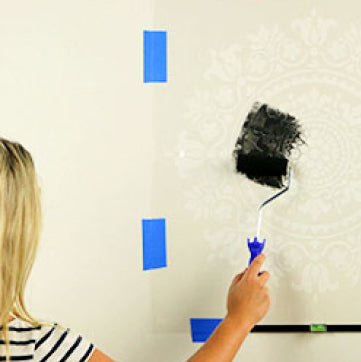
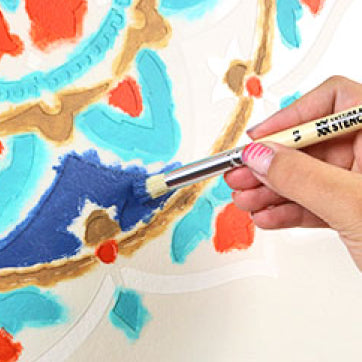
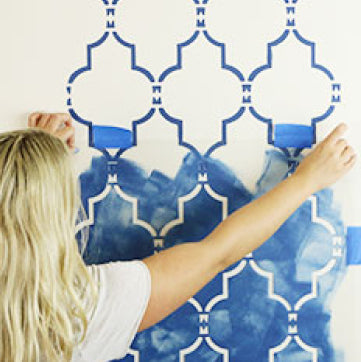
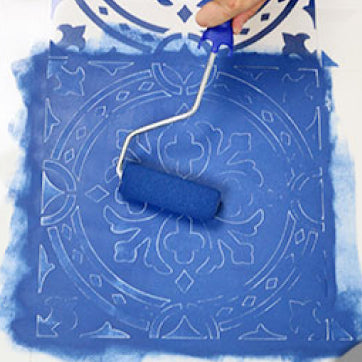
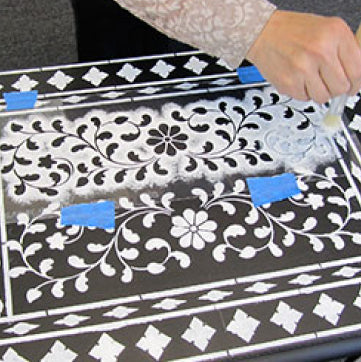
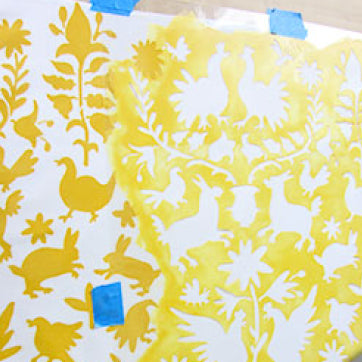
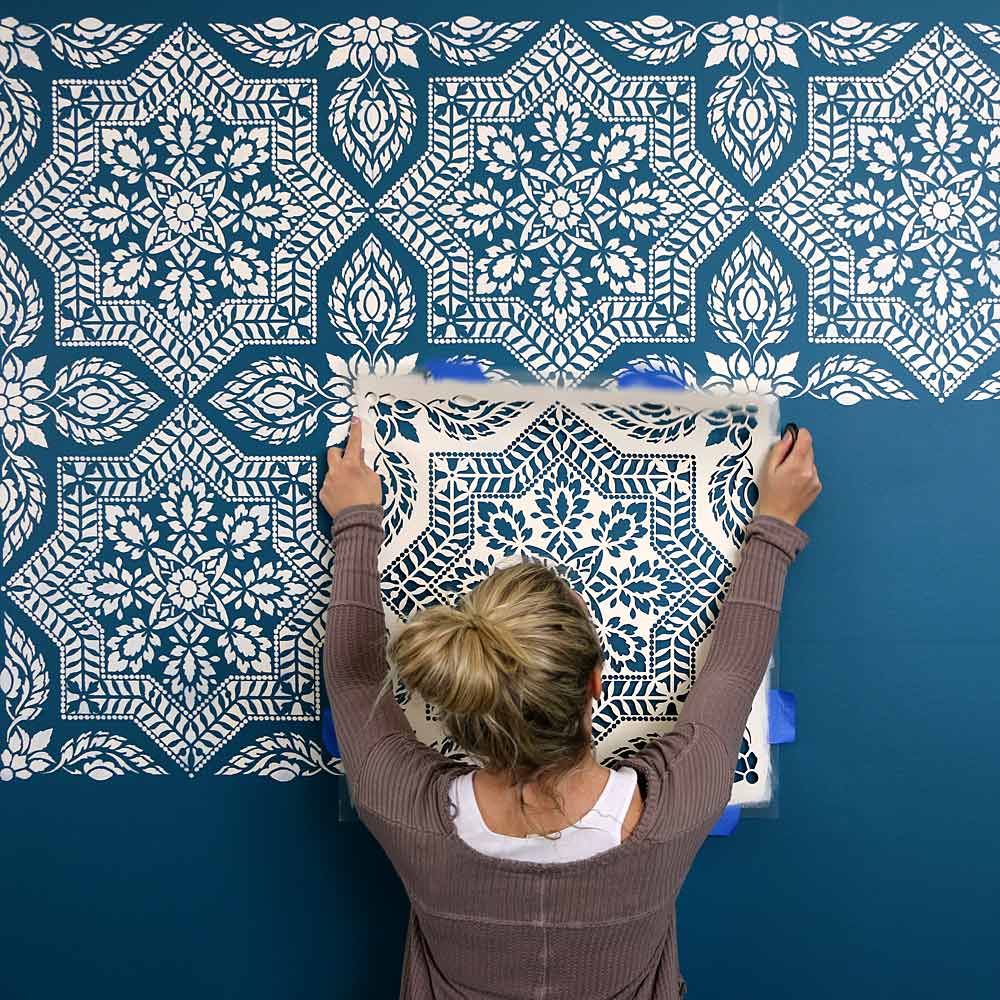
Work out your technique and color combinations on a sample board first. It is always a good idea to make a sample. Use a wall in the garage, a piece of cardboard, or even an old pizza box as your sample surface. Make sure you like your color combinations and are comfortable with your stenciling technique before hitting the real wall!
Read full article >>
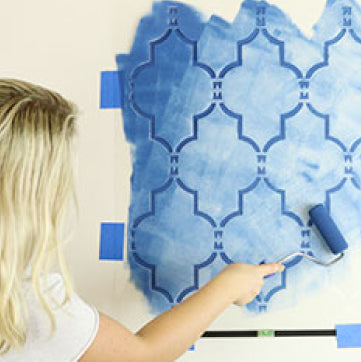
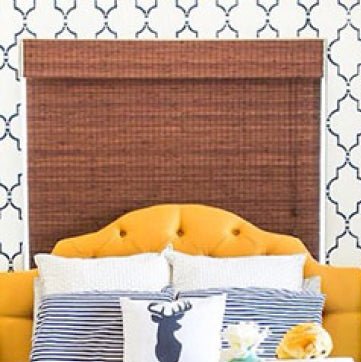
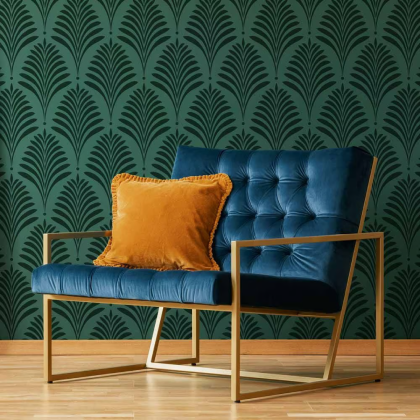
Damask stenciling is not as complicated as it may seem at the first look. In fact, it is one of the best money-making stenciling techniques. There are few tips and tricks to learn, but once you get it - you'll stencil those damasks like a pro.
Read full article >>
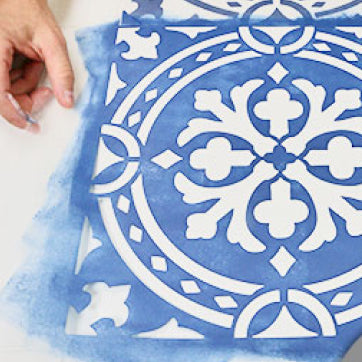
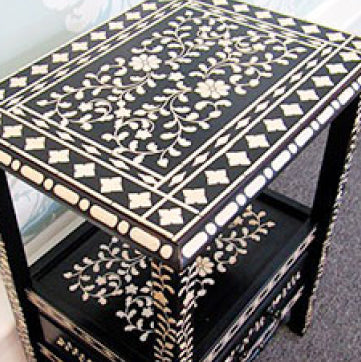
Dimensional Stenciling is a type of stenciling when one uses plaster or textured material instead of paint. This will make your stenciled image raised or 3-dimensional. This stenciling technique also called 3-d stenciling, relief stenciling or raised plaster stenciling. We'll teach you how to create dimensional stencil images. It's easier than you might think!
Read full article >>
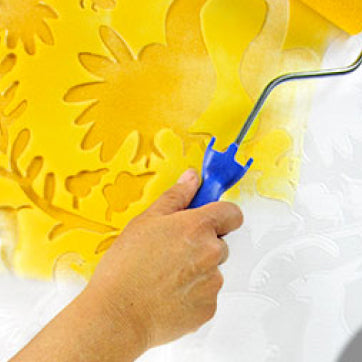
Yes, murals can be stenciled. In fact, you can achieve a totally hand-painted look while saving yourself lots of time when using our mural stencils. Here's how: After deciding on your color scheme and paints (we suggest using artist acrylics), start by painting your horizon line and sky with a soft wash of color. Adding a little glaze to your paint will create a softer effect with more open time. Feeling creative? Add a lake or a stream for added interest.
Read full article >>
Using Faux Fresco Mural Stencils
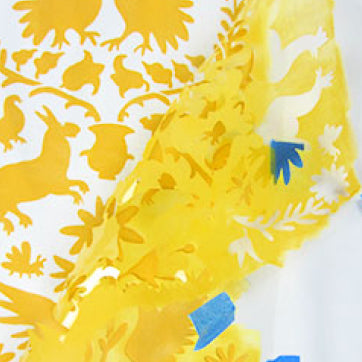
You too can create breathtaking frescoes by just using stencils. We can teach you how. It's much easier than you think! Decide on your color scheme. We love the traditional blue color as used on the original Livia’s Garden Fresco, but have done these Faux Frescos in warm gold tones with equal success (see gallery photos). We first apply a coat of plaster to the walls, keeping the texture to a minimum, and let it dry fully.
Read full article >>