Wall Stencils and More
Shop By Stencil Collection
New Stencil Designs!
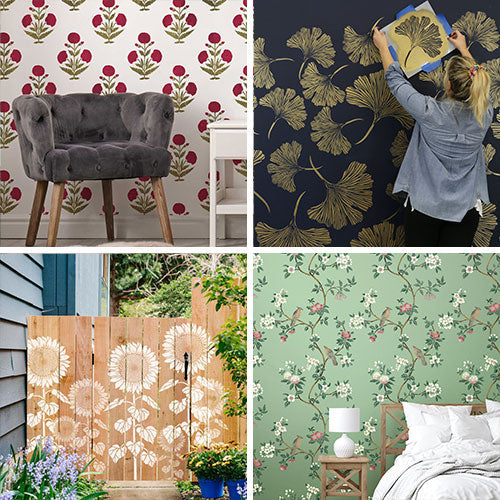
Most Popular Stencil Designs
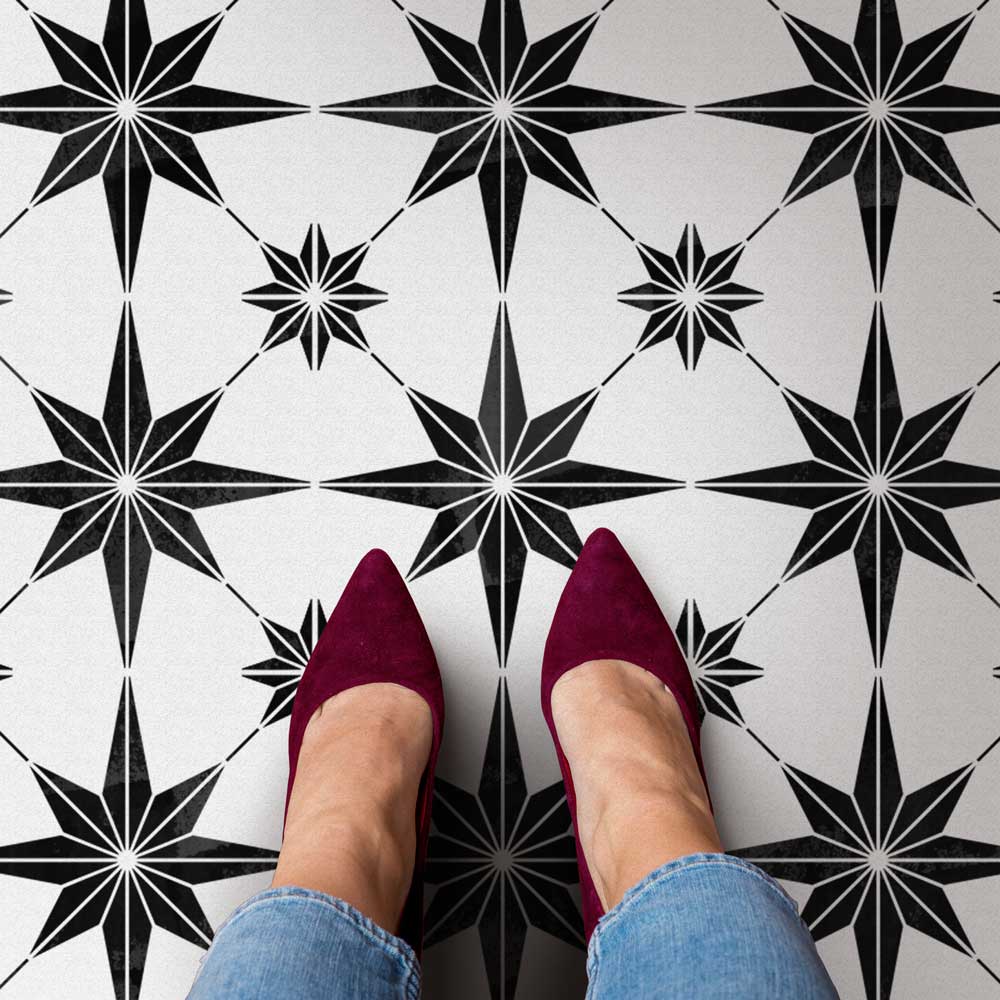
Tile Stencils / Backsplash Stencils
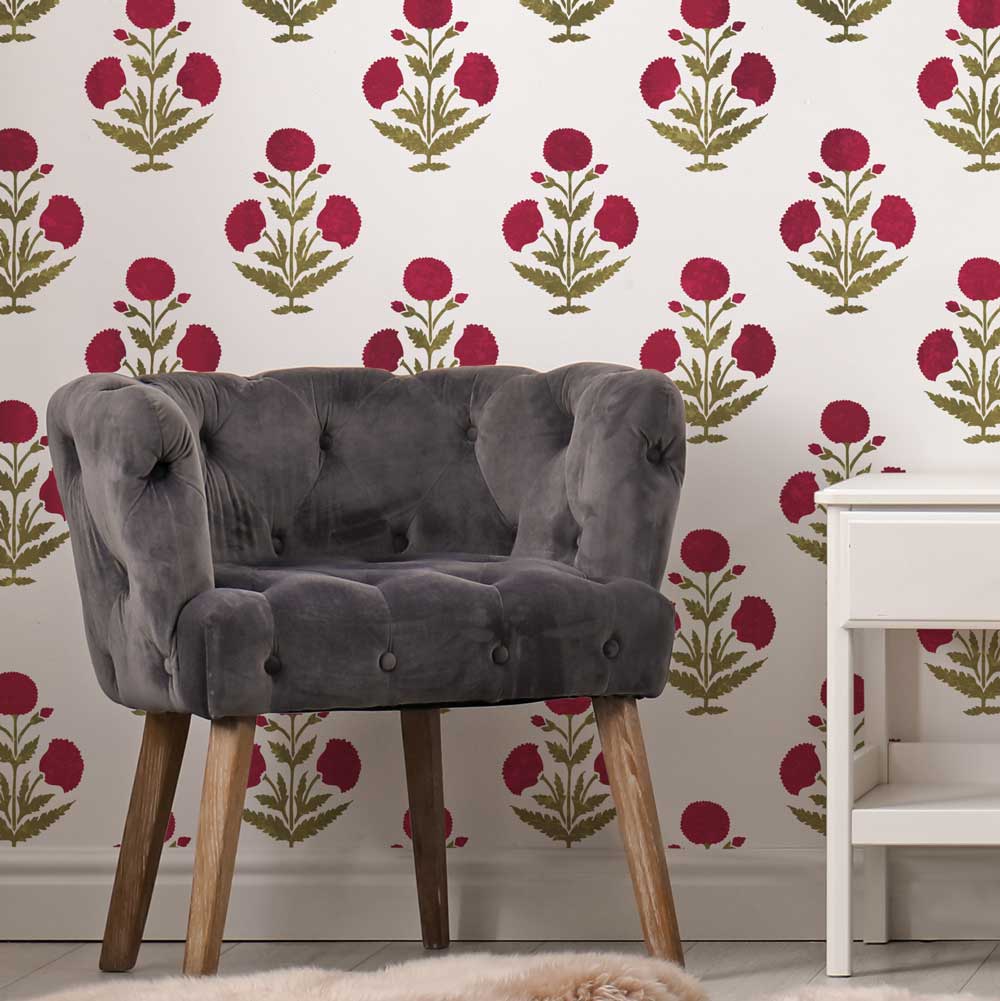
Flower Stencils / Leaf Stencils
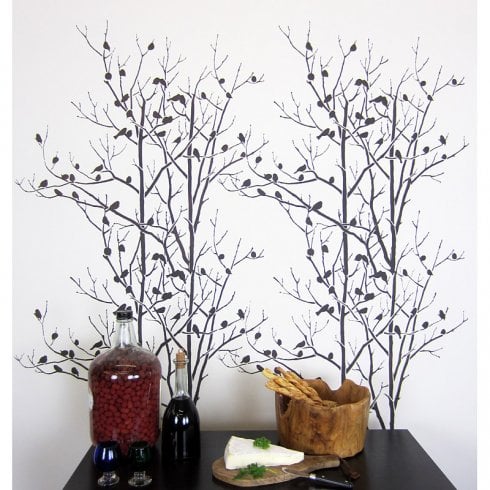
Tree Stencils / Branch Stencils
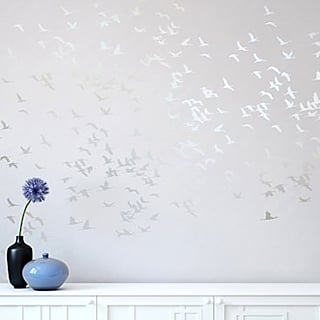
Butterfly Stencils / Bird Stencils
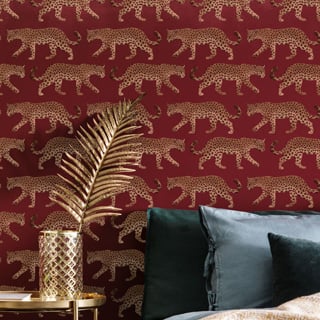
Animal Stencils
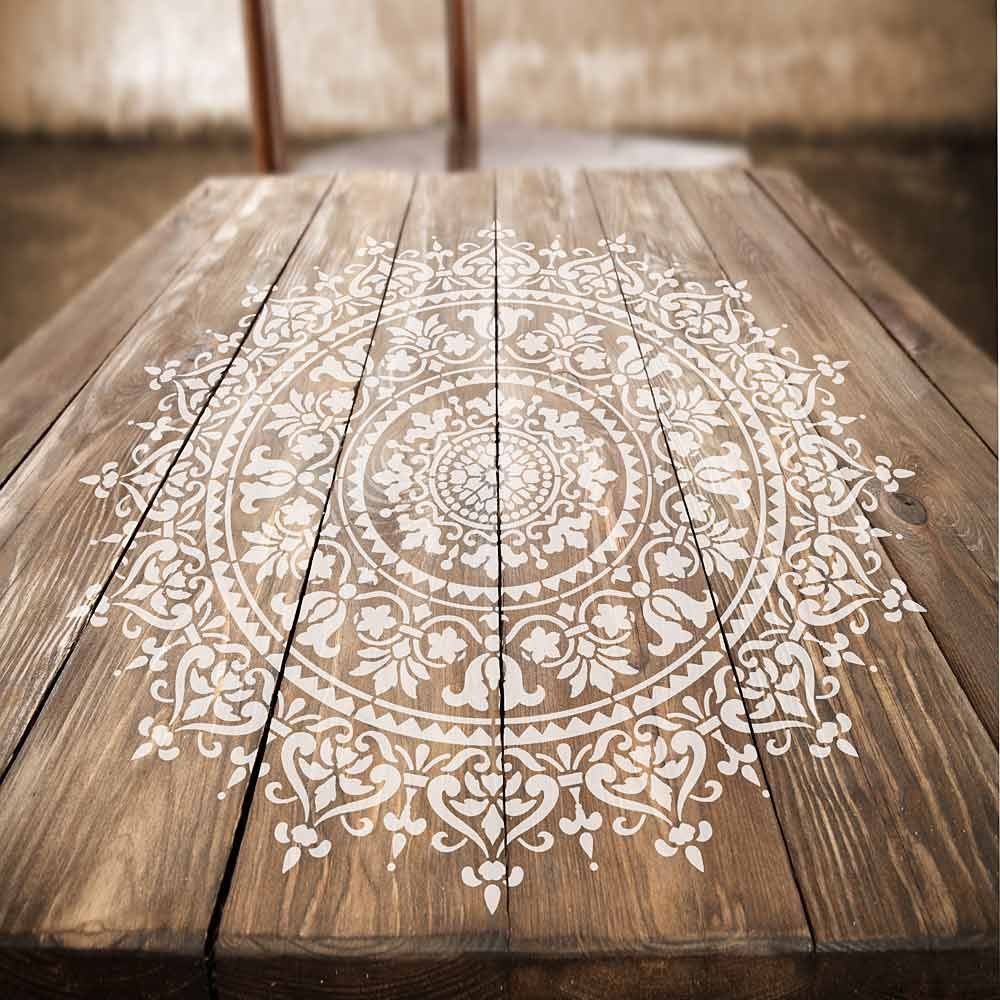
Mandala Stencils / Yoga Stencils
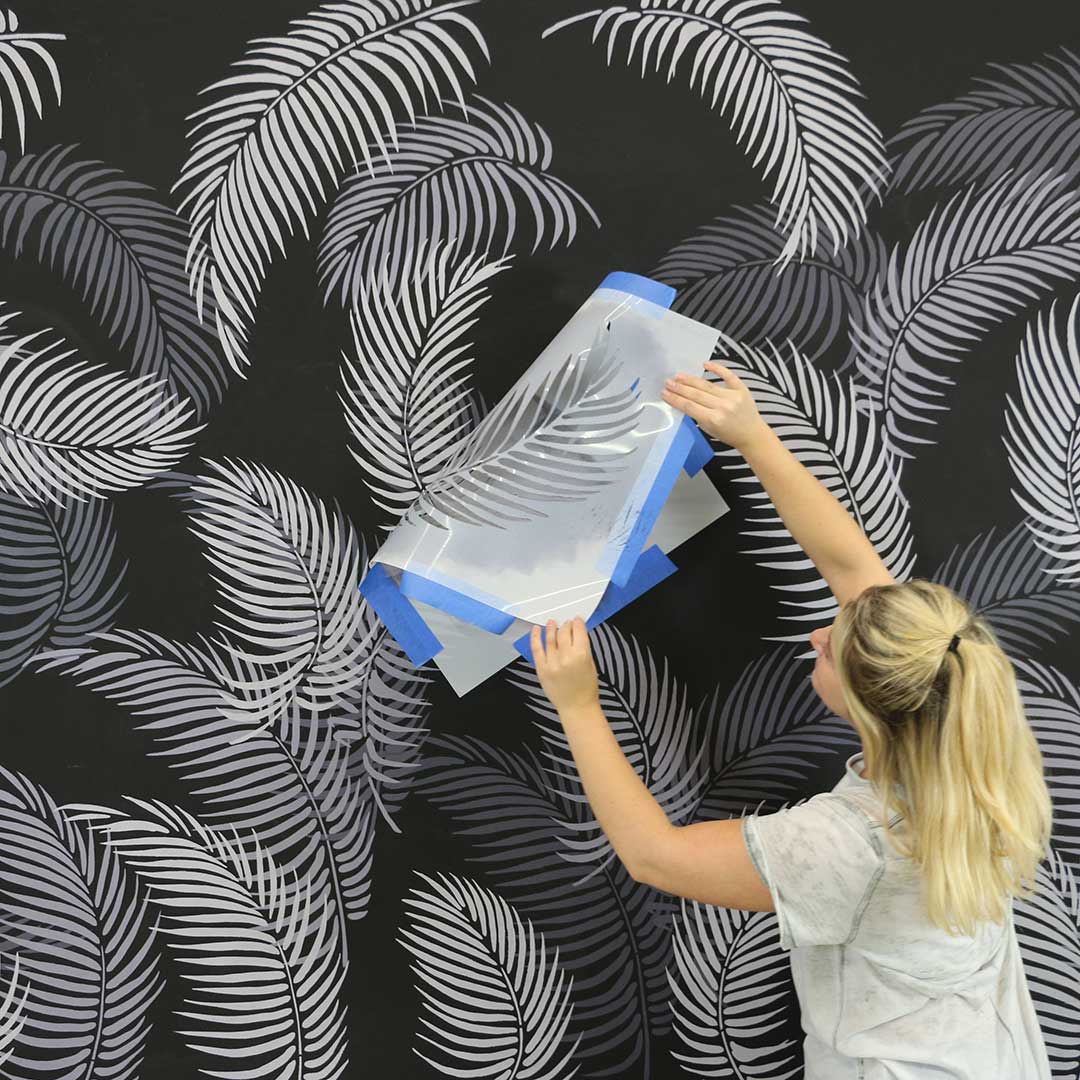
Tropical Stencils
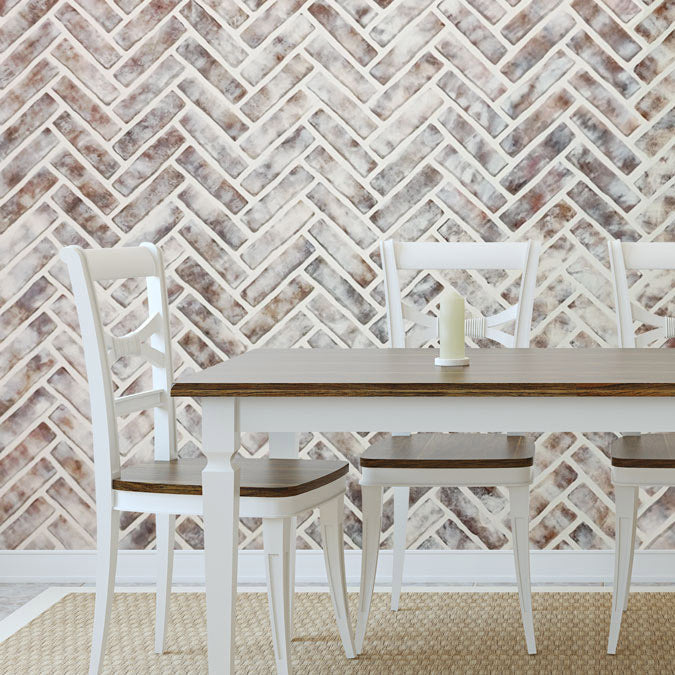
Farmhouse / Cottage Stencils

Nautical Stencils / Beach Decor
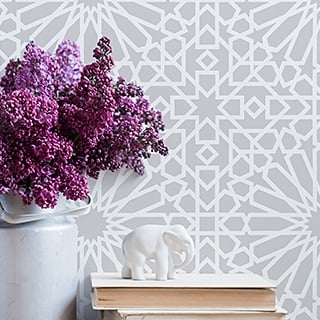
Moroccan Stencils / Indian Designs
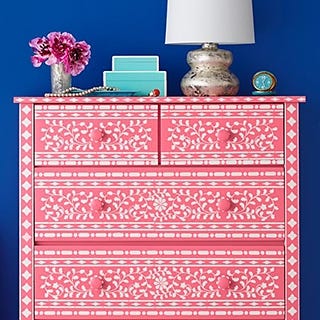
Furniture Stencils / Craft Stencils
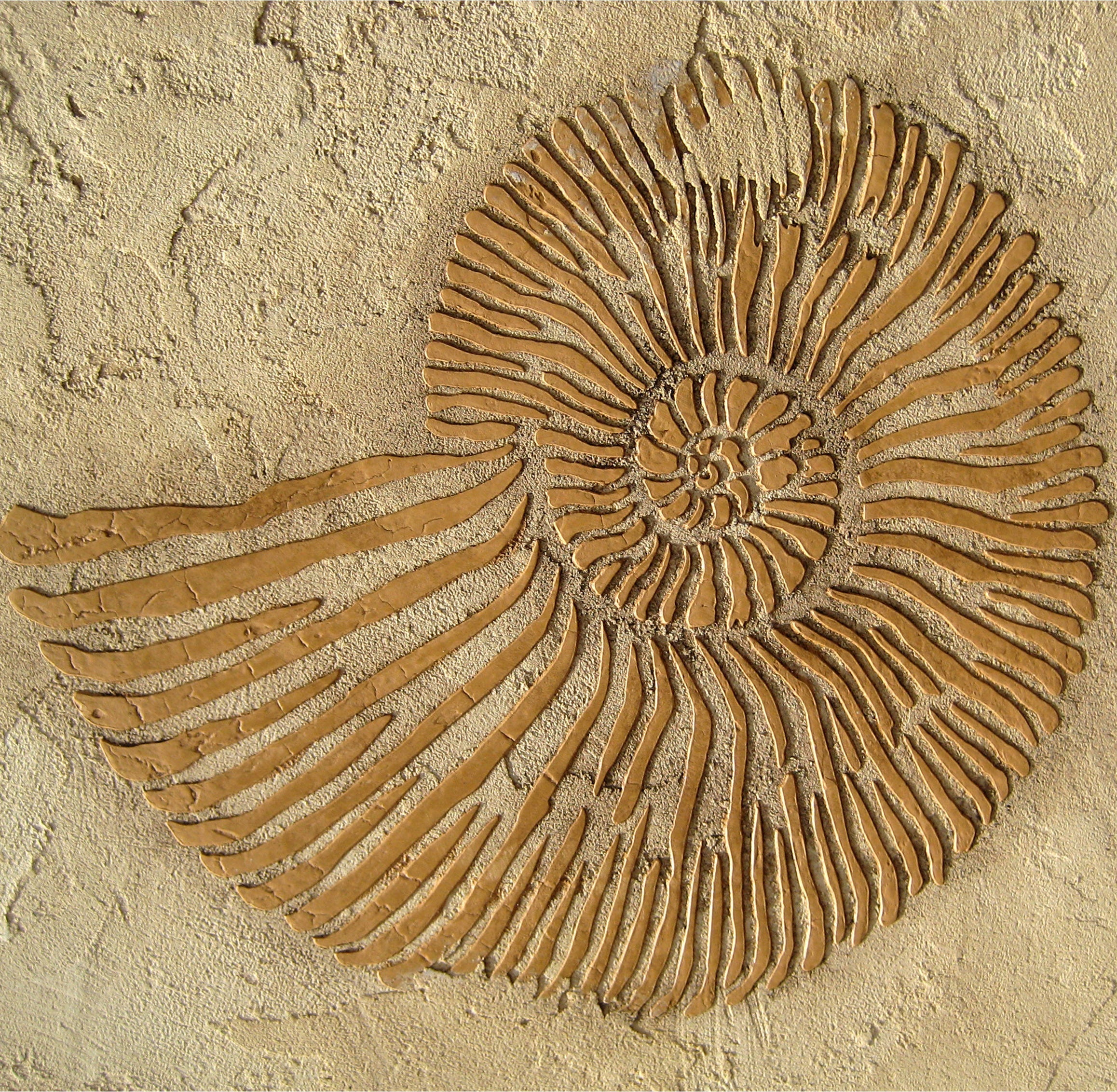
Fossil Stencils
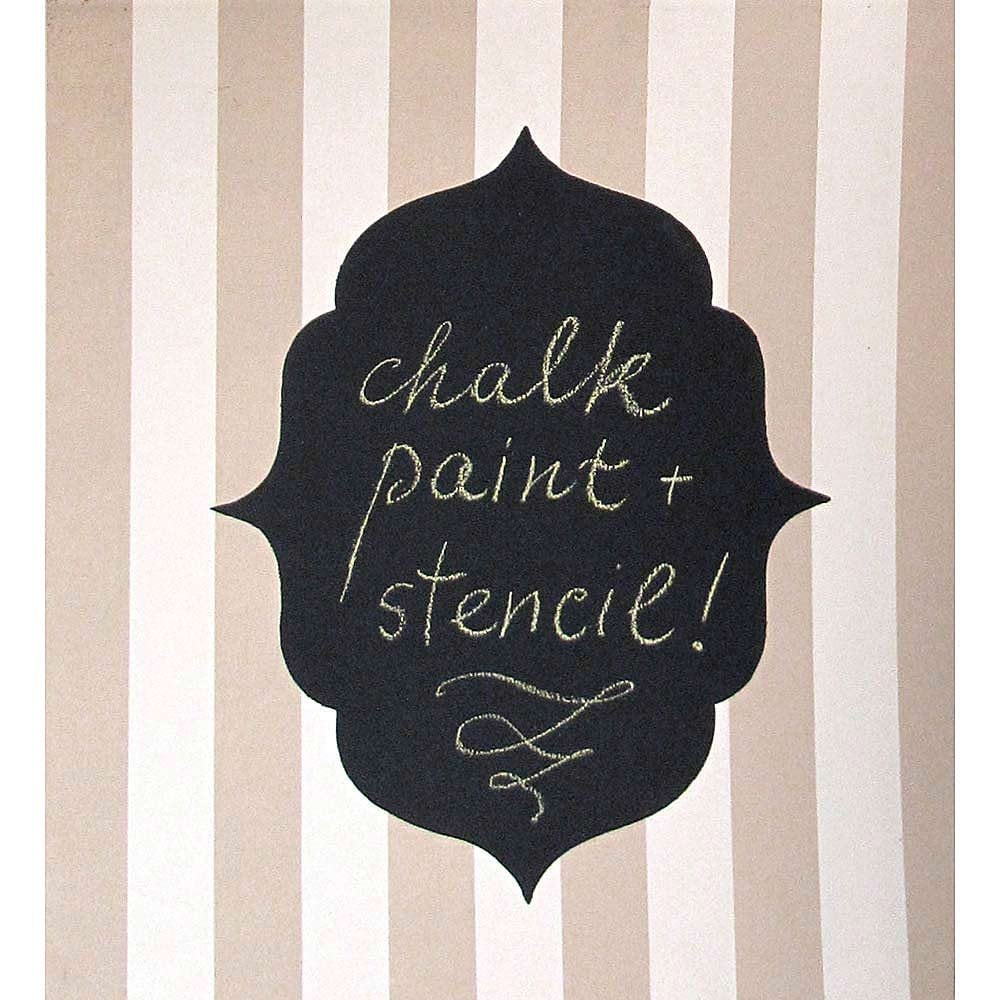
Chalkboard Stencils
Shop By Project
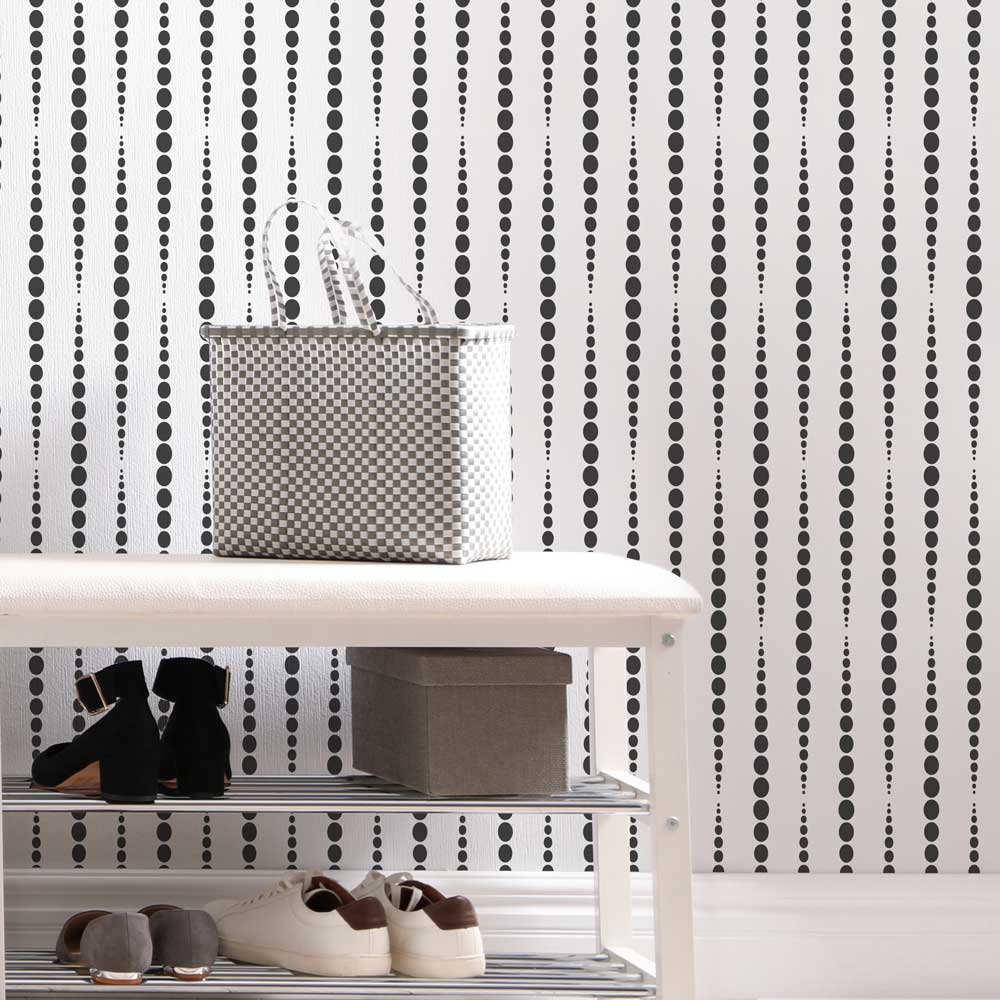
Accent Wall Stencils

Floor/Concrete Patio Stencils
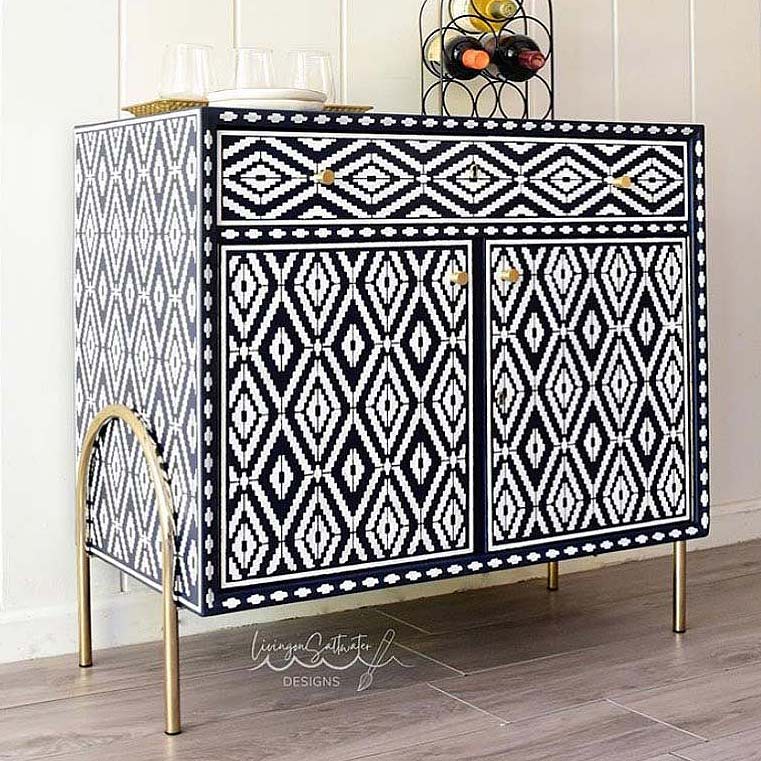
Stencils for Furniture
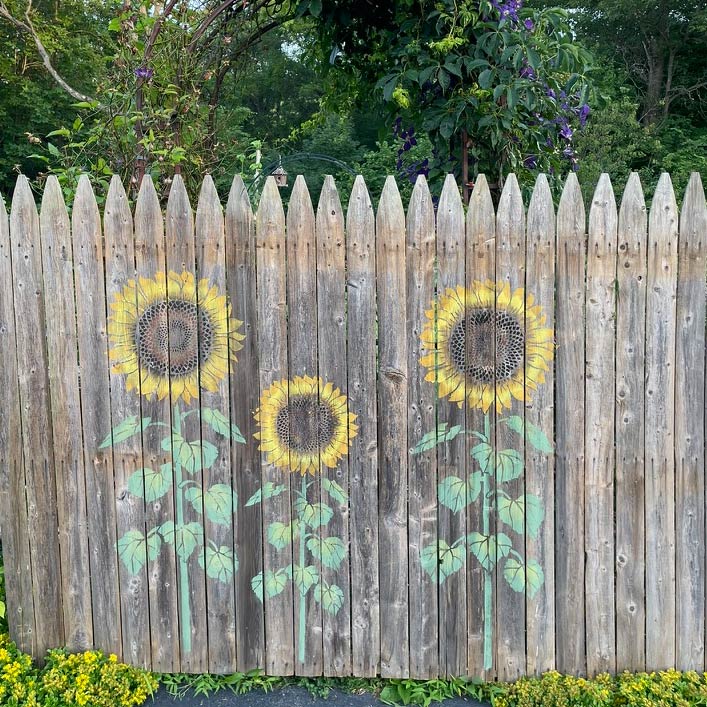
Outdoor Stencils / Fence Stencils
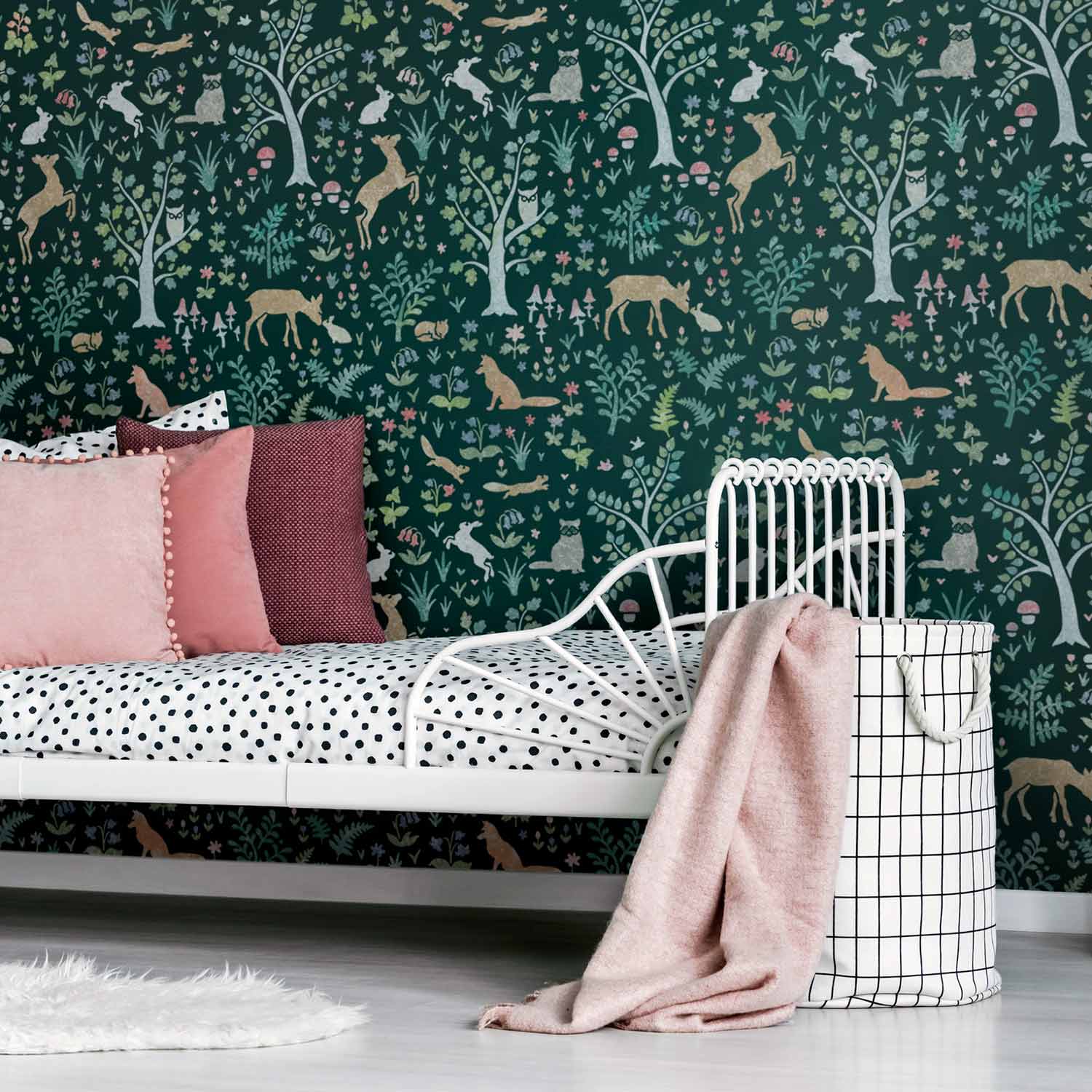
Nursery Stencils / Kids Rooms
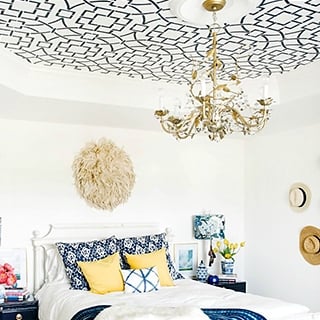
Ceiling Stencils
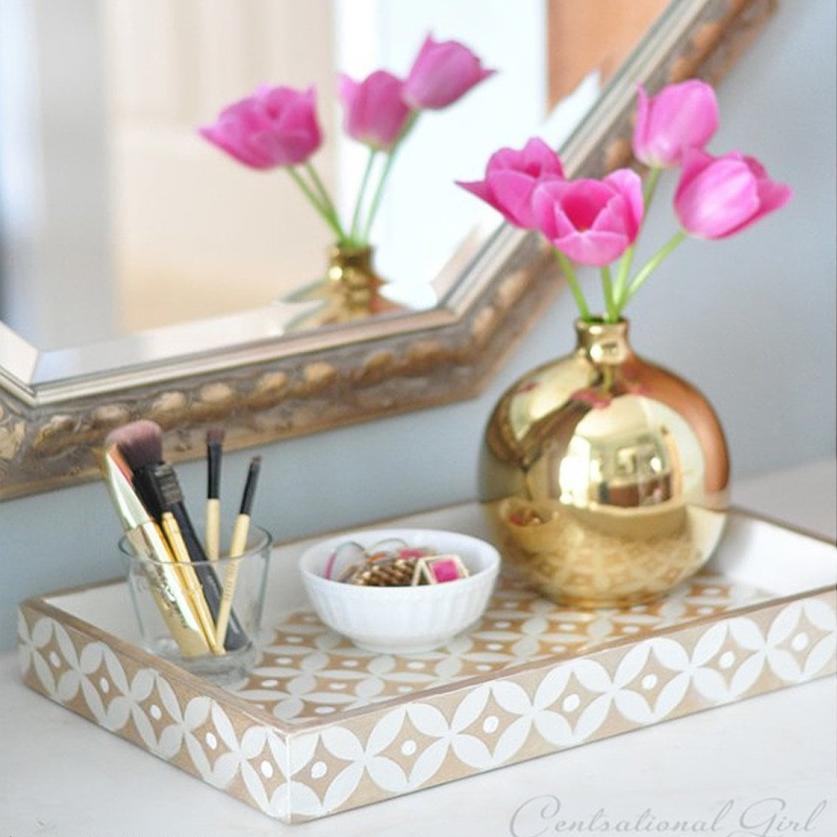
Craft Stencils / Mini Stencils
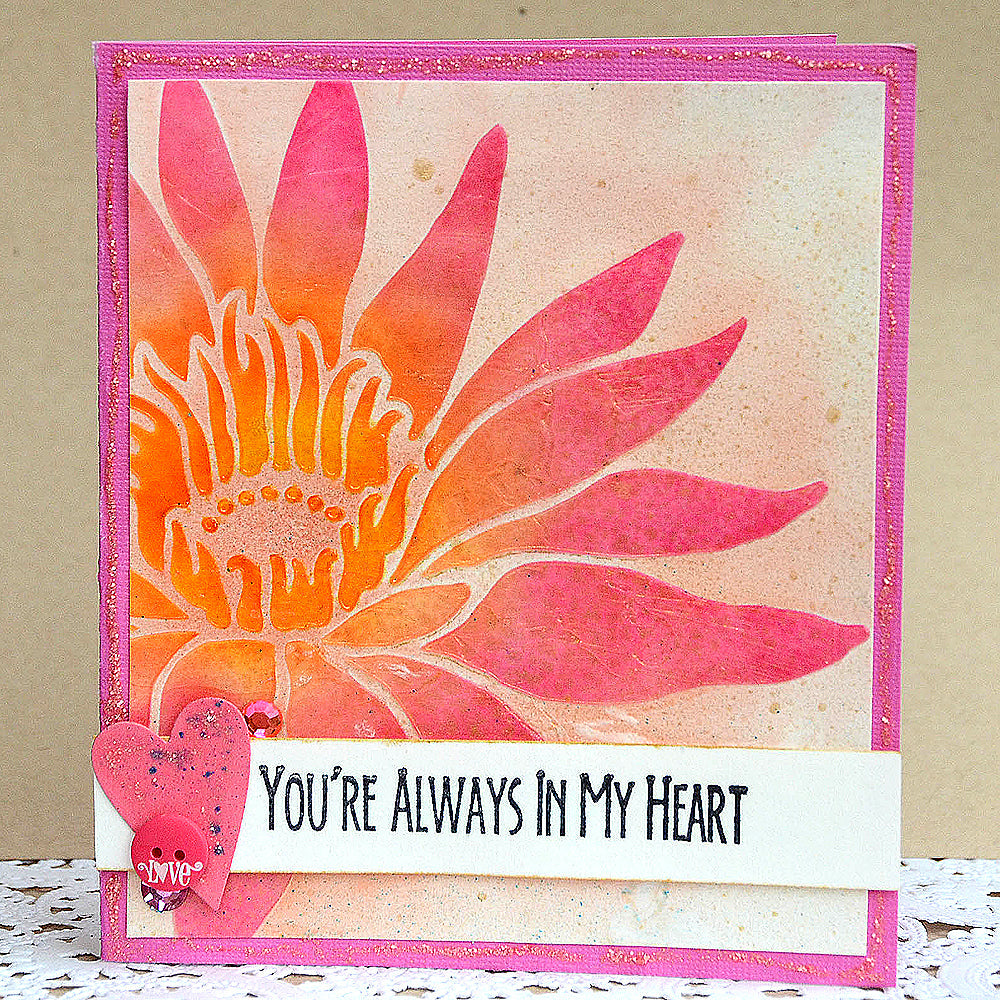
Stencil Templates / Card Stencils
Art Stencils / Doodle Stencils
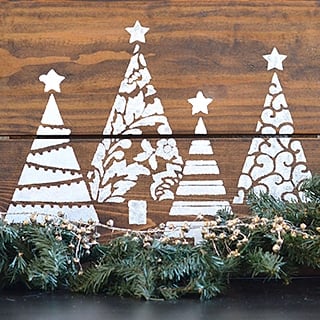
Christmas Stencils

Halloween Stencils
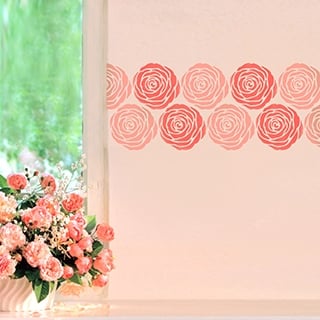
Stencils Under $25
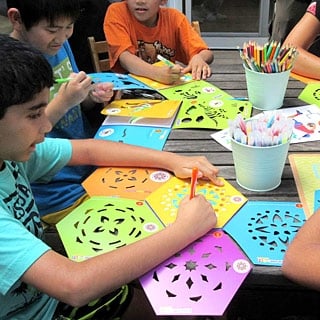
Colorfoldz®: Stencils for Kids
Shop By Stencil Pattern Style
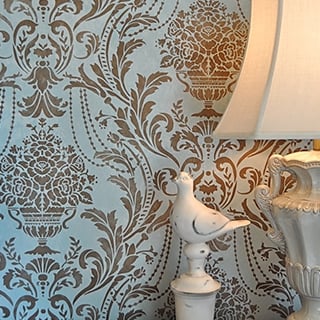
Damask Stencils
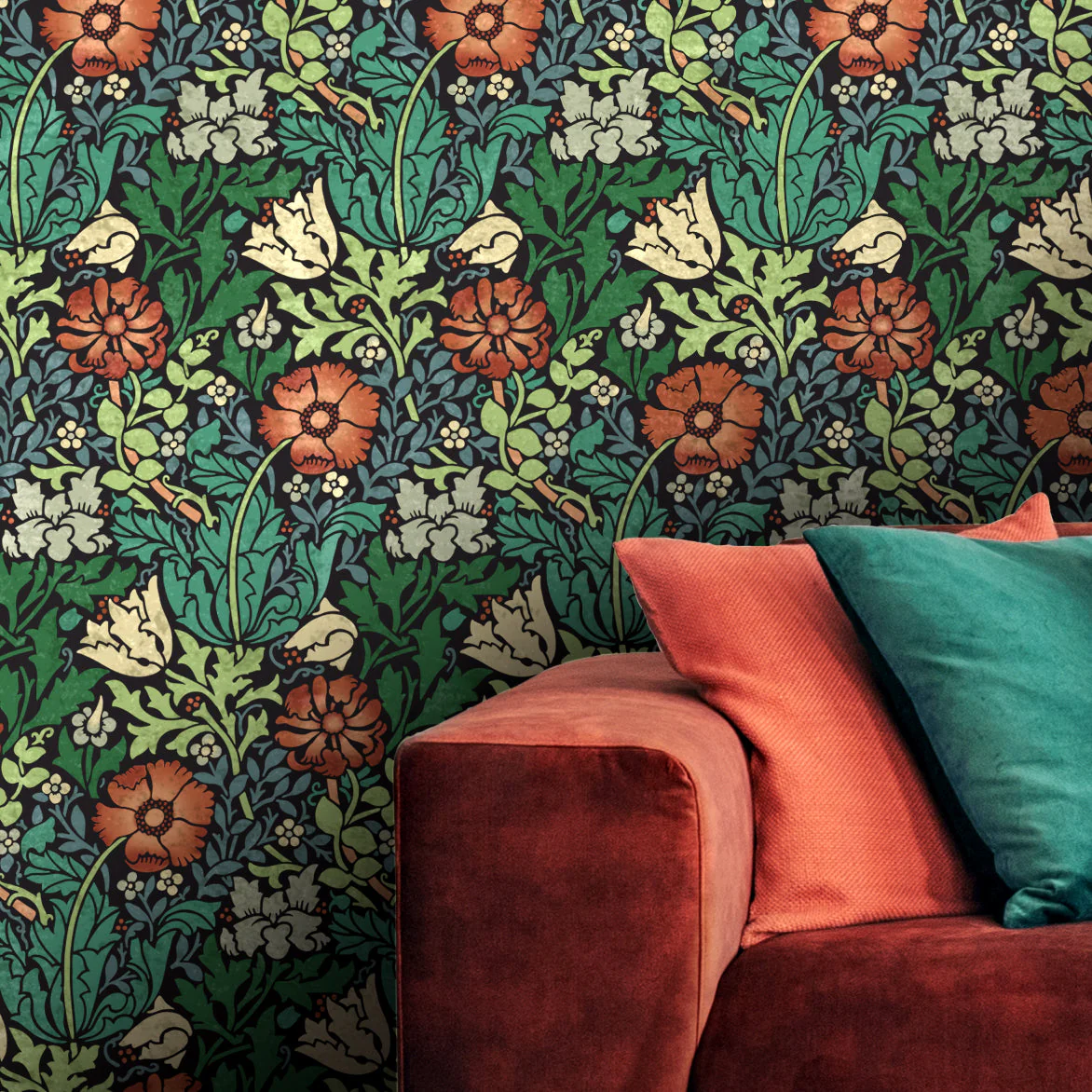
William Morris Stencils
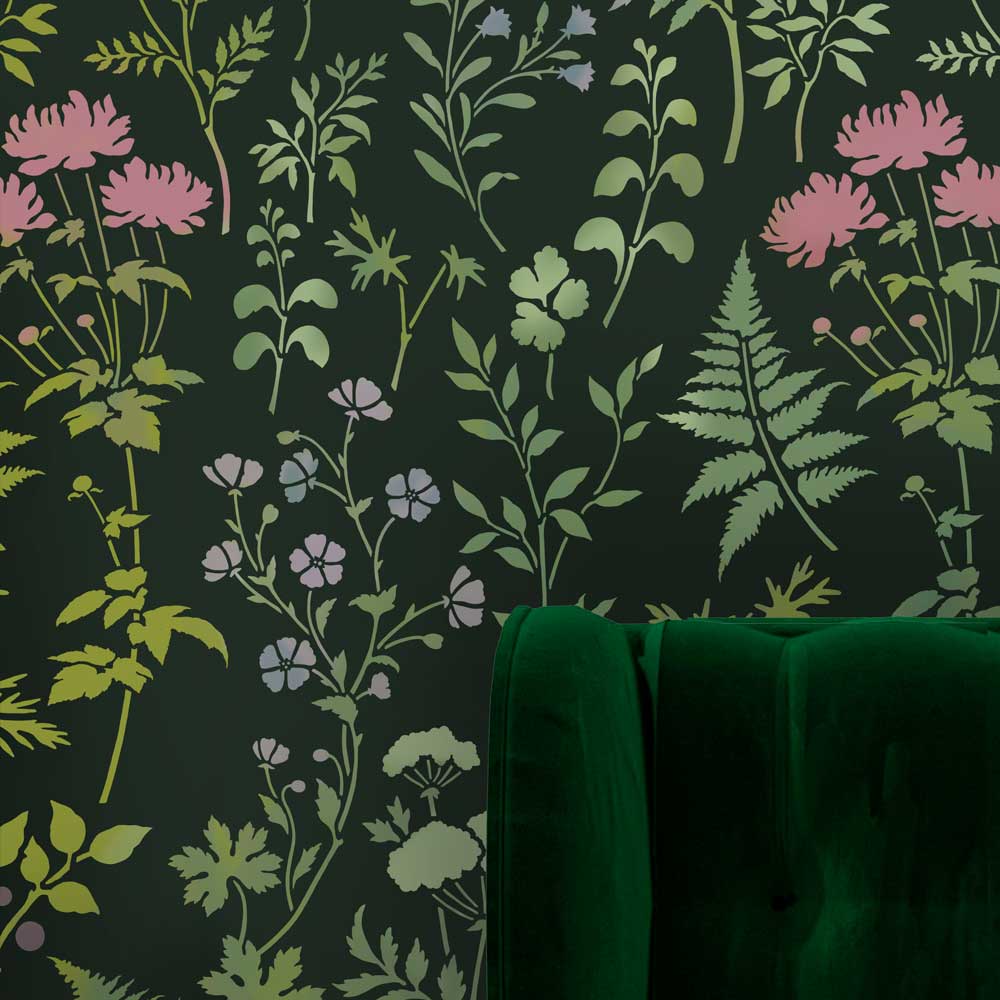
Floral Stencils / Floral Patterns
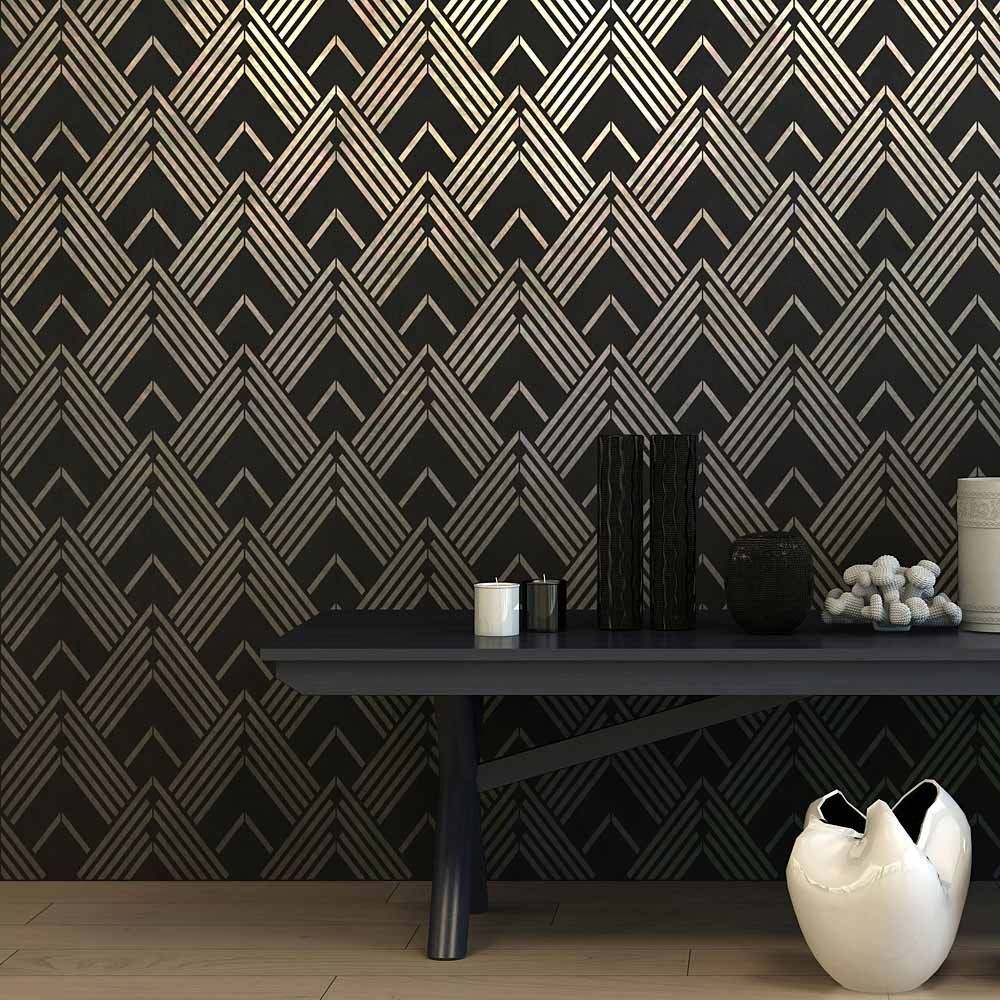
Modern Geometric Stencils
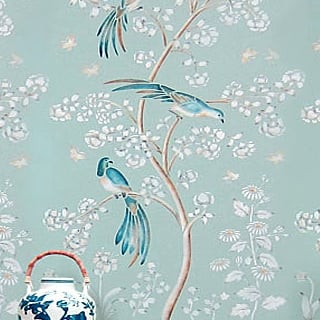
Chinoiserie Stencils / Toile Stencils
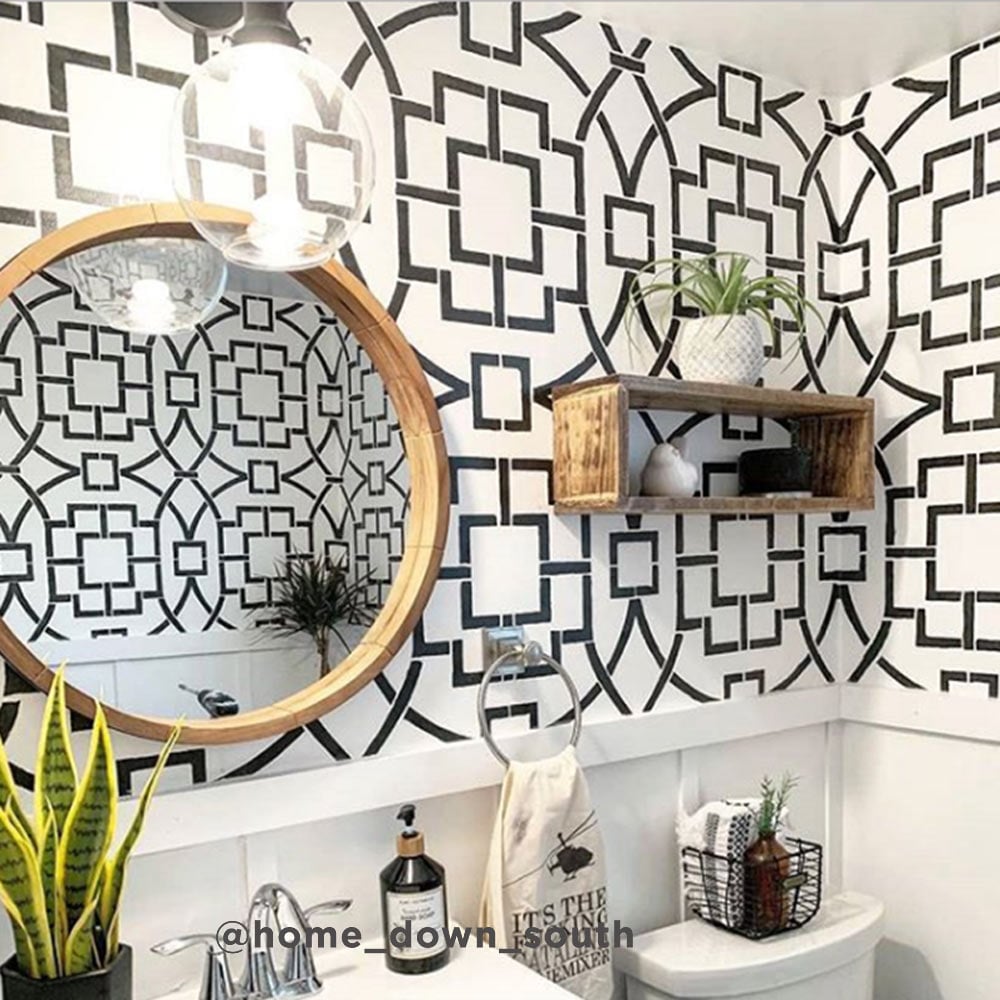
Allover / Wallpaper Stencil Patterns
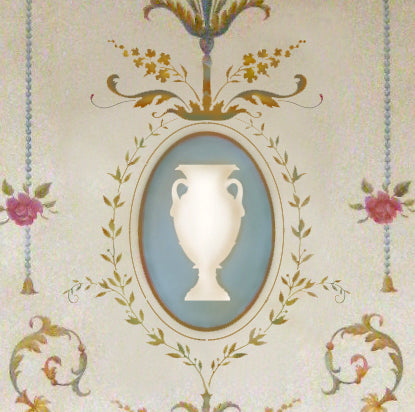
Classical Design Stencils
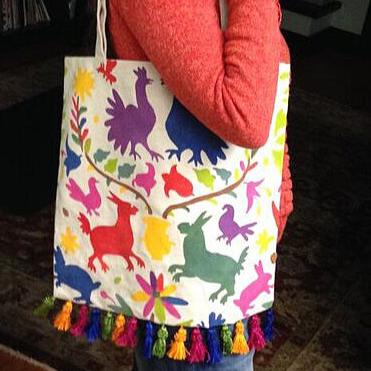
Tribal/Ethnic Designs
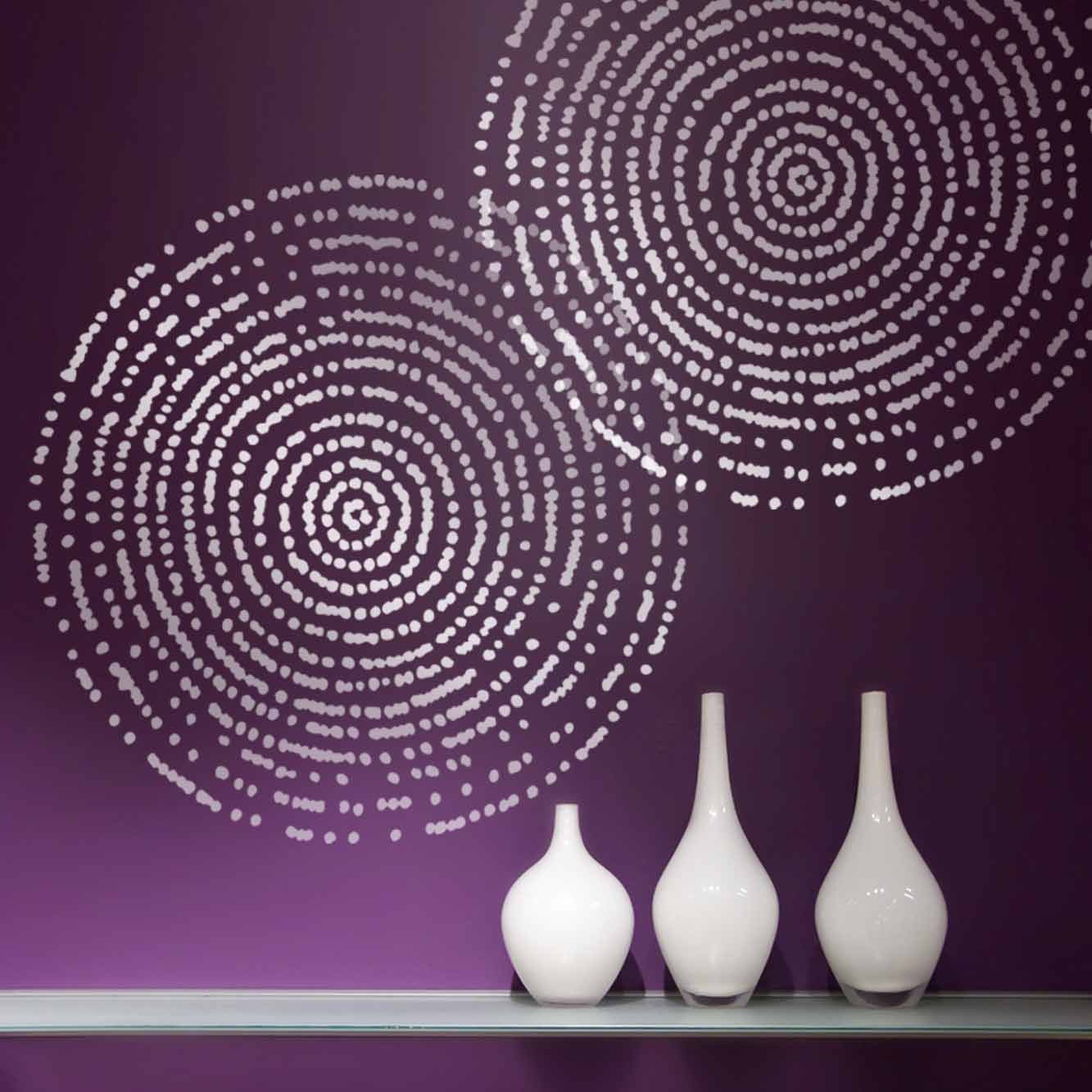
Large Art Stencils

Stripe Stencils
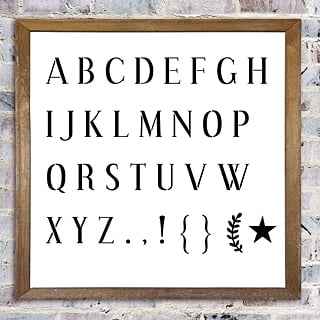
Letter Stencils for Walls, Signs, and DIY Projects

Sign Stencils / Wall Quotes Stencils

Mural Stencils / Fresco Stencils
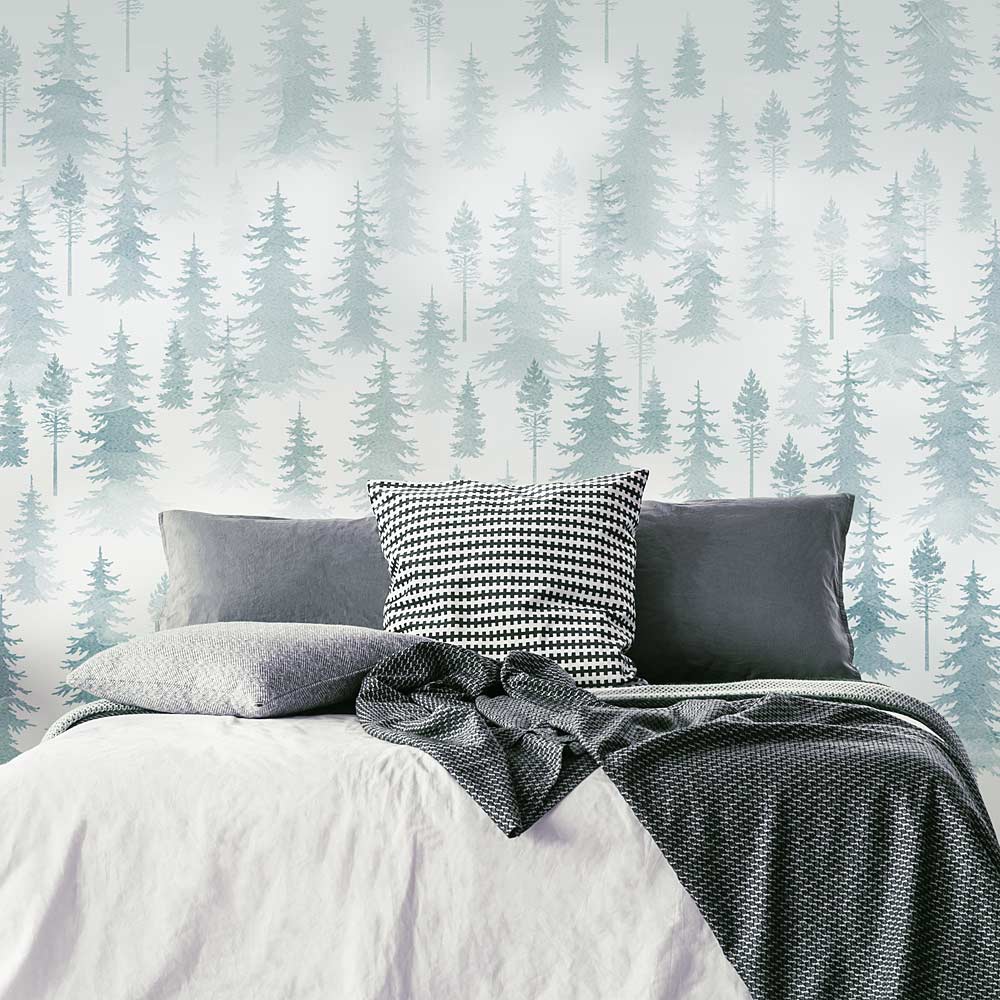
Repeating Pattern Stencil Kits

Star Stencils


Reusable wall stencils for custom painted walls
Create a wallpaper-inspired look using the paint colors you love. Cutting Edge Stencils offers reusable wall stencils with original stencil designs made in the USA, ideal for accent walls, entire rooms, ceilings, furniture, floors, patios, tile, wooden fences and other properly prepared surfaces.
What are the benefits of wall stencils?
Here are some of the reasons homeowners and DIY decorators choose wall stencils:
- Cost-effective: One stencil can decorate an entire room. After painting, simply wash it with soap and water so it's ready for future projects.
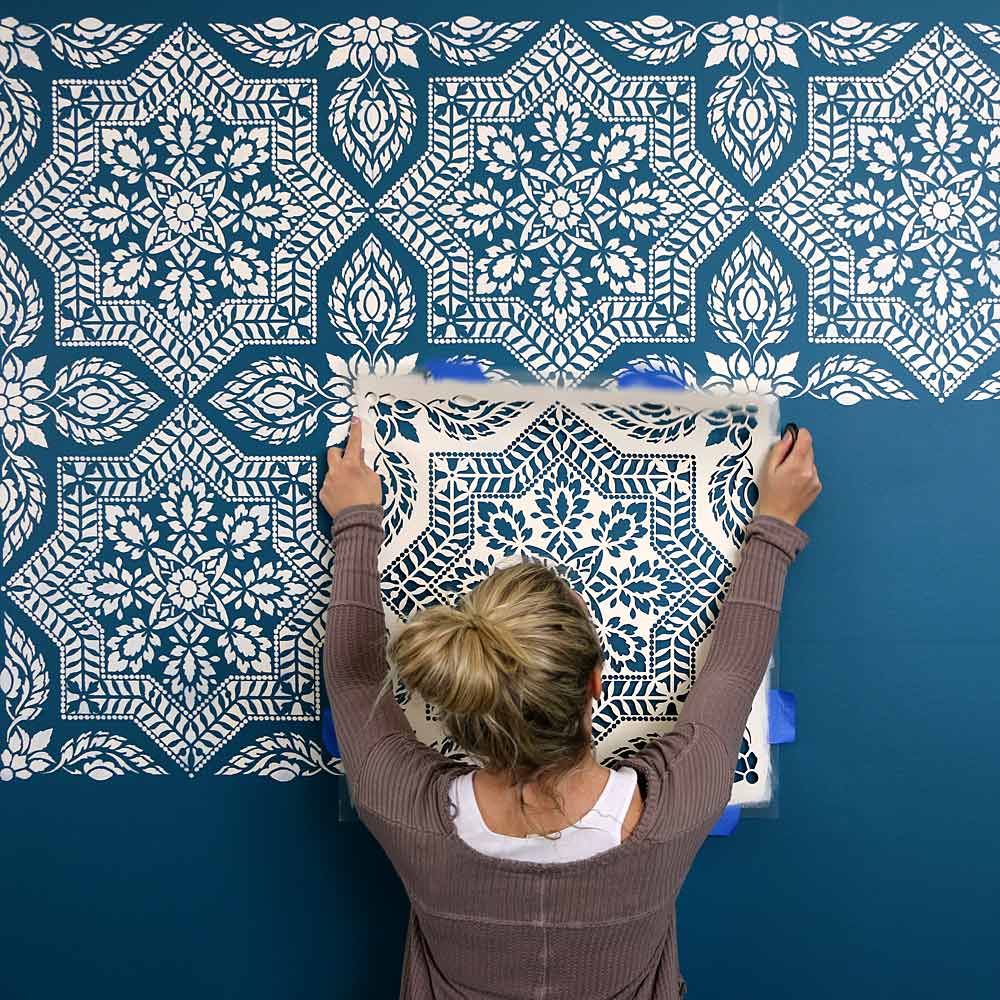
- DIY-friendly: Paint through the stencil openings using a stencil brush or foam roller to create a professional-looking pattern.
- Customize your colors: Choose the paint color and finish that best matches your home's style instead of being limited to a colorway of a printed wallpaper design.
- Tone-on-tone technique ( More advanced): Stencil in a gloss or satin finish over a flat matte base in the same color. The pattern shows as a shift in sheen rather than a color contrast, and the result looks genuinely luxurious in any room.
- Suitable for multiple surfaces: Use the same stencil on walls, ceilings, furniture, fabric, and other properly prepared surfaces with the appropriate paint.
Explore the popular decorative wall stencil designs
Cutting Edge Stencils offers a wide variety of wall stencil designs for different decorating styles and rooms throughout the home. Explore some of our most popular wall stencil collections:
1. Modern Geometric Wall patterns
Modern geometric wall designs are clean, graphic patterns that suit contemporary, minimalist, and Scandinavian interiors. This collection works well in living rooms, bedrooms, entryways, and home offices.
2. Floral/Leaf designs
Floral/leaf designs introduce botanical patterns that work beautifully on accent walls, bedrooms, nurseries, and dining rooms.
3. Mural Wall designs
Mural or fresco wall designs include multiple coordinating stencil pieces that combine to create a large-scale decorative mural. These designs work well on dining room walls, powder rooms, nurseries, and properly prepared outdoor surfaces.
4. Chinoiserie/toile Wall patterns
Chinoiserie and toile designs bring elegance to rooms like the dining room, living room, or primary bedroom. These stencil designs are inspired by Asian and French decorative styles.
5. Tropical Wall designs
Tropical wall designs feature lush botanical patterns for living rooms, patios, and other properly prepared spaces. For outdoor projects, use exterior-grade paint and apply a suitable sealer when recommended.
6. William Morris Wall patterns
William Morris wall patterns reinterpret classic Arts and Crafts patterns for both traditional and contemporary interiors.
7. Moroccan Wall patterns
Moroccan wall patterns add repeating geometric patterns to kitchens, living rooms, bedrooms, and bathrooms. The collection includes both bold statement designs and subtle all-over patterns.
8. Damask Wall designs
Damask designs feature timeless ornamental patterns suited for traditional, transitional, and modern interiors.
9. Farmhouse Wall designs
Farmhouse or cottage wall designs feature vintage-inspired patterns that complement cottage, farmhouse, and rustic interiors.
10. Tree/branches wall designs
Tree and branch designs add organic structure to accent walls. They work especially well in bedrooms, dining rooms, nurseries, and nature-inspired spaces.
Not sure how to use a wall stencil? Browse these video tutorials on the CES YouTube channel:
- DIY stenciled damask
- Trellis stencil wall makeover
- Chinoiserie stenciled accent wall
- Stenciled Art Deco accent wall
Why choose Cutting Edge Stencils
Janna Makaeva and Greg Swisher founded Cutting Edge Stencils in 2008 after running the New York area's leading decorative painting company SpecFin (Specialty Finishes).
Every stencil is laser-cut in their New Jersey studio from durable Mylar. Today, the collection includes hundreds of original wall stencil designs for decorating styles ranging from traditional to contemporary.
Browse real customer projects in the Stencil Ideas gallery.
Send us your finished project by email or tag us on Instagram, Facebook, and TikTok. We would love to see what you create.